
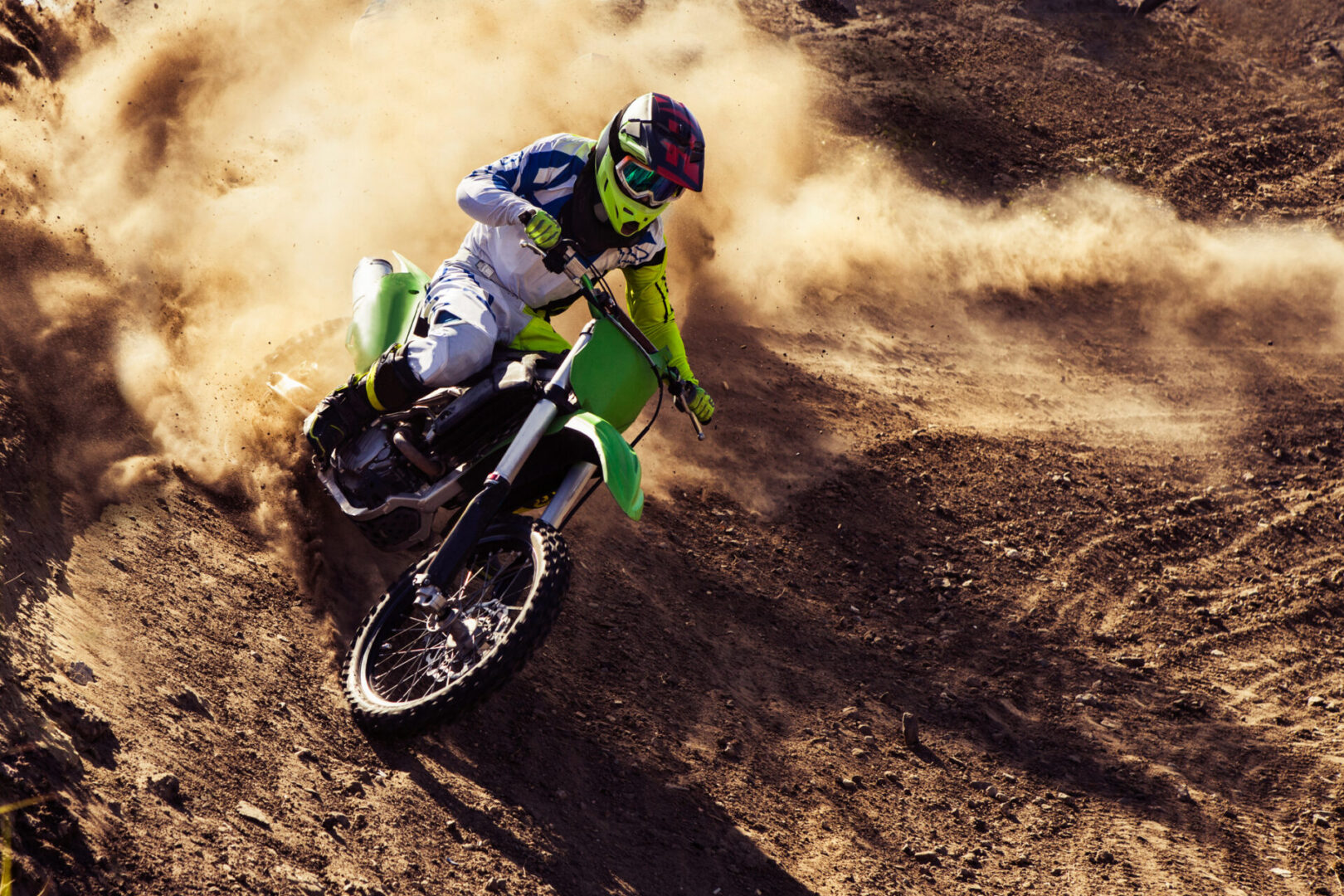
A successful motocross event doesn’t begin when the first rider lines up at the gate—it starts weeks or even months before race day. Behind every well-run event is careful planning, clear communication, and a team committed to delivering a safe, organised, and enjoyable experience for everyone involved.
Whether you’re hosting a local race or a championship series, thorough preparation is the foundation of a successful event.
Start with a Detailed Plan
Every motocross venue is unique, which means every event requires a customised approach. Establishing a clear timeline early in the planning process helps organisers stay on track and avoid last-minute challenges.
Important planning considerations include:
- Event dates and schedule
- Rider classes and race formats
- Staffing requirements
- Registration procedures
- Safety planning
- Facility preparation
- Equipment and technical support
A comprehensive plan ensures every aspect of the event is accounted for before race day arrives.
Prepare the Facility
The condition of the track and surrounding facilities has a direct impact on the rider experience.
Before the event, organisers should inspect:
- Track layout and surface conditions
- Starting gate functionality
- Pit areas
- Spectator viewing locations
- Parking and traffic flow
- Restroom facilities
- Emergency access routes
Taking time to prepare the venue creates a safer and more enjoyable environment for riders, crews, and spectators.
Streamline Rider Registration
Registration is often a participant’s first interaction with your event.
An organised registration process helps:
- Reduce wait times
- Verify rider information
- Confirm class entries
- Process fees efficiently
- Keep race schedules on time
Clear signage, knowledgeable staff, and organised documentation all contribute to a positive first impression.
Coordinate Your Event Team
Successful events rely on teamwork. Every staff member should understand their responsibilities before race day begins.
Key roles may include:
- Registration staff
- Race officials
- Scorekeepers
- Staging personnel
- Flaggers
- Safety crews
- Announcers
- Facility support staff
Regular communication throughout the day helps keep operations running smoothly, even when schedules change.
Focus on Rider Safety
Safety should remain a top priority throughout every event.
Organisers should confirm that:
- Medical personnel are available
- Emergency procedures are clearly established
- Track hazards are addressed promptly
- Officials communicate effectively
- Weather conditions are monitored
Preparing for unexpected situations helps minimise disruptions and protects everyone attending the event.
Deliver Accurate Results
One of the final—and most important—steps of any motocross event is producing reliable race results.
Professional scorekeeping ensures:
- Finishing positions are recorded accurately
- Championship points are calculated correctly
- Results are available promptly
- Riders have confidence in the outcome
Accurate scoring contributes to the credibility and professionalism of every event.
Building Better Events
Planning a motocross event involves much more than organising races. It requires preparation, coordination, experience, and attention to detail from start to finish.
When every element works together—from registration and facility preparation to scorekeeping and final results—the entire motocross community benefits. Riders enjoy a better racing experience, promoters build stronger reputations, and events continue to grow year after year.